People commonly look for a "fast first aid course" or "express cpr course" at the specific moment life is currently active and difficult. A brand-new task is starting, a child care role requires urgent compliance, or a sporting activities club needs somebody qualified before the weekend break. On paper, fast certification sounds best. In technique, it can be either a clever, effective option or a risky shortcut.
I have actually taught first aid and cpr courses to moms and dads, tradies, child care teachers, nurses, and office staff for many years. I have additionally viewed what occurs months later on, when something really goes wrong and somebody falls down in a play ground or on a. That is when you see really plainly which kind of training leaves people calm and experienced, and which kind leaves them standing frozen, certificate in hand however no genuine concept what to do.
This short article unpacks the reality behind "fast first aid" and "express first aid training" so you can obtain the effectiveness you require without sacrificing the skills you are depending on.
Why many individuals chase after fast certification
Most people are not attempting to cut edges on safety and security. They are trying to fit necessary training right into their lives. The inspirations I listen to are generally extremely reasonable.
A brand-new childcare worker needs an express child care first aid course due to the fact that the service can not lineup them without a valid first aid certificate. A building and construction supervisor wants a fast first aid training session so the site stays compliant when the existing very first aider takes place leave. A parent signs up for an express cpr course after a scare with a choking youngster, figured out yet additionally managing shift job and family.
Time stress is real. Companies often set tight deadlines. Specialist enrollments need evidence of current first aid and cpr training classes prior to revival. Add travel time to a training venue and losing a full day's pay, and the appeal of fast cpr courses or an on the internet express first aid course is obvious.
Speed, on its own, is not the adversary. The issue is when "fast" comes to be the main marketing factor, and actual competence comes to be an afterthought.
What "fast" usually implies in first aid and CPR courses
When you see marketing terms like fast first aid course, express cpr training, or one‑hour first aid and cpr course, they can mean a number of various things:
The concept component is relocated online. The course assumes anticipation and is structured as a real refresher. Content is greatly cut. Assessment is superficial.The initially 2 can function well. The last 2 are where trouble starts.
Blended knowing is one of the most credible version of fast certification. Individuals complete online first aid training components or cpr training concept ahead of time, after that go to a shorter in‑person session focused on skills practice, scenarios, and assessment. When done properly, this can cut classroom time virtually in fifty percent without reducing discovering top quality. For active people or companies attempting to schedule staff, this is truly helpful.
On the other hand, I have actually reviewed "express first aid courses" where the on-line content was a handful of slides and a 10‑question test, followed by an extremely brief functional session with marginal responses. The certificate looked the same to those from thorough first aid courses, yet the skill degree was not also close.
"Fast" is not a standard term. One company's fast cpr refresher course may be an effective alteration session for currently skilled personnel. Another's fast cpr course could be absolutely nothing greater than a demonstration that you watch, without any hands‑on work at all. You need to look past the word and examine what is actually delivered.
Myth vs fact: common beliefs concerning fast first aid courses
Misconceptions about express first aid training show up in every course I educate. A few of them are safe. Some are dangerous. It aids to tackle them head on.
Here is a portable comparison of some myths and the fact behind them.
Myth: "If the course is accredited, the speed does not matter."
Reality: Accreditation sets minimum end results, not exactly how extensively they are shown or practiced. Two recognized first aid and cpr courses can feel entirely different in depth and intensity. 
Myth: "I can learn first aid from video clips just as well as face to face."
Reality: Videos are exceptional intros. They are bad replacement for a person remedying your hand position on the upper body of a manikin or mentoring you via the panic of a substitute emergency.Myth: "Fast first aid courses are only for people who currently understand what they are doing."
Fact: Some are authentic refresher courses, yet others are marketed to beginners for comfort. New students in an excessively compressed course tend to remember pieces, not a meaningful response.Myth: "Once I have the first aid certificate, I am established for many years."
Reality: Skills discolor. When I run cpr training for people 2 or 3 years after their last course, lots of can not recall compression deepness or the proportion of compressions to breaths until we practice again.Myth: "Less hours implies the trainer is more reliable and experienced."
Truth: There is a distinction between cutting out fluff and eliminating practice. Performance ought to come from emphasis, not by avoiding crucial drills.Whenever you see fast first aid, fast cpr, or express cpr courses promoted, ask which of these misconceptions the advertising and marketing is depending on. That straightforward mental check currently puts you ahead of lots of buyers.
How lengthy high quality first aid and CPR training actually takes
People frequently ask me, "The amount of hours do I actually need?" They hear stories of a person doing first aid and cpr training in under 2 hours and wonder if a valid first aid certification full‑day first aid course is unnecessary.
The honest answer is that the time required depends upon 3 things: your prior experience, the course scope, and how reasonable you want the training to be.
For a person without much background, a thorough first aid and cpr course that covers fundamental life assistance, common clinical emergencies, wounds, cracks, burns, and scenario method normally runs around six to 8 hours in the class, or a mixed format with a number of hours of on the internet job plus 3 to 4 hours in person. That is about the minimum to move from "I enjoyed a video when" to "I can actually perform cpr and handle a serious hemorrhage under stress."
For cpr courses alone, a concentrated session, after some pre‑reading or e‑learning, can be completed in 90 to 120 minutes. Anything much shorter than that starts to feel rushed, particularly for individuals that have actually never ever done chest compressions on a manikin.
Childcare details training, such as an express child care first aid course, has added affordable CPR first aid courses material like paediatric cpr, anaphylaxis, asthma monitoring, and certain regulatory demands. Also the express variations need sufficient time to overcome situations involving babies and children. Expect these to take longer than a basic workplace course.
If a carrier asserts they can completely educate full novices in first aid and cpr in an hour, without pre‑course work, that ought to question. Physically practicing abilities and allowing them resolve in your community first aid classes near me memory takes time. There is just so much you can compress before high quality drops.
What can safely be compressed, and what cannot
Not every min in a standard eight‑hour course is spiritual. Excellent trainers understand where they can enhance without losing value.
Theory delivery is the most convenient part to press. Basic understanding concerning the chain of survival, recognizing a stroke, or understanding how an automated external defibrillator works can be learned using interactive online components, brief analyses, or video clips prior to the face‑to‑face element. When individuals show up currently knowledgeable about crucial concepts, the course can invest far more time on method and less on lectures.
Administrative jobs can likewise be cut. Effective sign‑in, pre‑filled kinds, and online analyses decrease lost time. A well‑organised express first aid course typically really feels tighter just because the logistics are under control.
What can not be safely pressed is meaningful practice. Skill purchase in first aid and cpr training relies upon repetition under minor variations. You require to perform breast compressions enough time to feel your arms tire. You need to roll a number of different volunteers into the healing setting, not simply one. You need to practice making use of an epinephrine auto‑injector fitness instructor, not only view it demonstrated.
Scenario based discovering also stands up to compression. When we run first aid and cpr training classes with technique situations - a co‑worker with chest pain, a subconscious youngster near a playground, a chemical sprinkle in an eye - people continuously claim those were what "locked in" their discovering. These scenarios require time, however they are where expertise becomes judgment.
If a fast first aid course or fast cpr course intends to be really "fast" without being superficial, it ought to cut rep of basic concept and management fluff, not the hands‑on components.
Spotting warnings in "express" and "fast" courses
The advertising and marketing language for express first aid courses or fast certification can conceal bad training behind shiny pledges. Certain patterns repeat frequently sufficient that they are worth viewing for.
When all focus gets on rate and price, with almost no information concerning material, period, or analysis, that is an indication. Trustworthy carriers discuss what you will certainly cover, for how long the session will certainly run, and what is anticipated of you before and throughout the course.
A 2nd warning is a hefty dependence on "no‑fail" warranties. Experienced instructors will certainly support you to get to the needed requirement, however they ought to likewise be clear that you have to show skills. If a website boasts that everyone passes each time, yet discusses virtually nothing concerning real assessment, ask just how they are defining "pass."
Another problem is very large team sizes, specifically simply put courses. In an area of 30 or even more individuals with one trainer and a handful of manikins, each individual may just obtain a few mins of actual cpr method. Theoretically you participated in cpr training. Actually you viewed others practice.
Pay attention too to whether the carrier speak about customizing for your industry. Quality express child care first aid training, as an example, addresses actual child care scenarios, not common workplace injuries. An express cpr course for an office may concentrate on adult cardiac emergency situations, while a sports club might need a lot more around trauma and spinal monitoring. Cookie‑cutter "one dimension fits all" courses attempt to be whatever to every person and usually end up thin everywhere.
How to choose a fast first aid course near you
If you kind "fast first aid course near me" right into an online search engine, you will obtain a crowded web page of choices, from national brands to one‑person attires. Rather than being swayed by whichever advertisement yells the loudest concerning rate, work through a short checklist.
Here is an easy way to compare express first aid or fast cpr courses alongside:
Check accreditation and recognition.
Confirm the service provider is approved by a trusted body in your nation, and that their first aid certificate is accepted by your employer, regulatory authority, or market body. 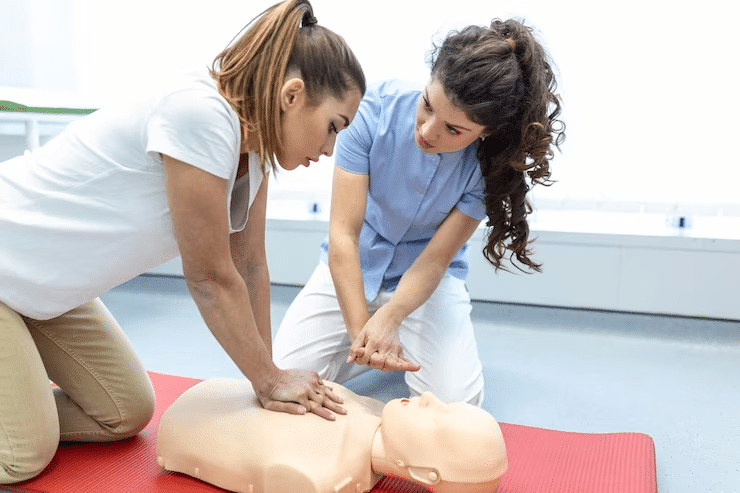
Look at course structure.
Prefer combined options where theory is done online and classroom time is scheduled for method. Watch out for courses that are completely on the internet for first aid and cpr, with no in‑person skills assessment.Ask concerning period and team size.
Real fast first aid training still requires several hours for technique, specifically if teams are large. Much shorter sessions ought to either target cpr refresher requires or be extremely little groups.Read testimonials for discuss technique, not simply convenience.
Testimonials that say "quick and simple" without stating hands‑on learning are less comforting than testimonials describing reasonable situations and handy feedback.Clarify what you have to do before the course.
Quality express first aid courses usually require pre‑course reading or e‑learning. If you can merely stroll in cool for a one‑hour class that assures complete first aid and cpr certification, the shortcuts are most likely significant.Taking 10 mins to ask these inquiries can be the distinction in between a certificate that satisfies a spread sheet and abilities that really help when someone is not breathing.
When fast CPR refresher courses make sense
There is an area for fast cpr refresher course layouts. When someone has developed strong structure abilities, shorter, focused refresher courses can be very effective.
In offices where team perform routine drills or deal with medical problems frequently, abilities decline less between formal courses. For these groups, an annual fast cpr course of around an hour, tightly focused on updates and method, frequently works well, specifically when paired with informal simulations throughout the year.
Similarly, healthcare employees or very first -responders that use these abilities on the job might not require full revisits of every first aid topic. A focused cpr training session highlighting most recent guideline changes and letting them refine method can be time‑efficient and relevant.
The problem comes when fast refresher courses are utilized as a replacement for initial training. People who missed out on key ideas the very first time are not likely to capture up in a pressed refresher. Employers in some cases book "refresher" sessions for staff that never ever had proper first aid training in the first place, assuming a brief class is all that is needed to create qualified very first aiders. It is not.
If you are picking a refresher option, be honest regarding your ability degree. If you can not with confidence chat through the actions of cpr and basic first aid without notes, it may be better to duplicate a more detailed combined course as opposed to rely upon the fastest option.
Special considerations for childcare and paediatric very first aid
Childcare settings are a diplomatic immunity, and express childcare first aid courses have ended up being preferred. Educators are normally managing change work, regulatory target dates, and the very actual demands of children with intricate clinical conditions.
Paediatric emergencies additionally feel and look different from adult ones. Baby cpr requires different hand positioning and depth. Childhood years illnesses existing with different indication. Choking in young children is common and frequently occurs all of a sudden throughout routine play.
For express childcare first aid training to be risk-free and efficient, it has to intentionally address these distinctions. That indicates greater than merely including words "childcare" to a generic first aid course. Instructors must fit reviewing asthma activity plans, anaphylaxis monitoring, seizure security, head injuries on play areas, and the emotional administration of an occurrence before various other children.
In my experience, the best express child care first aid courses use realistic role‑plays: a child who will not wake from nap time, a kid with a known allergic reaction that starts to hiss at lunch, or an infant found face down in a cot. Educators practice not simply the technical interventions however communication with colleagues, parents, and emergency services.
If you operate in childcare and are contrasting express childcare first aid courses, look very closely at exactly how they describe paediatric material. Ask how much time is spent on baby and kid scenarios relative to adult ones. Fast is useful, but just if the material in fact matches your everyday reality.

Online only courses: where they help and where they fall short
Purely online first aid course alternatives are common now. They have a place, given assumptions are clear.
For theoretical expertise or low‑risk atmospheres, on the internet components can introduce concepts well. A person taking care of a tiny remote group might use an online first aid course as a beginning point, after that plan later in‑person technique when feasible. Moms and dads typically complete an online cpr training session prior to attending a practical class, so they get here currently acquainted with terms and basic steps.
However, for any kind of duty that requires hands‑on actions - from child care staff to work environment first aid officers - analysis of sensible skills continues to be crucial. Regulators in lots of areas explicitly call for demonstrated competence face to face for first aid and cpr certificates to be fully valid.
Online videos can not inform if your compressions are deep sufficient. They can not fix your hand placement. They can not imitate the noise, confusion, and adrenaline of a genuine event. That is why combined formats, where a fast certification alternative still includes time with a fitness instructor and manikins, tend to use the very best of both worlds.
If a supplier uses full first aid and cpr certification entirely on the internet with no demand for in‑person analysis, check extremely meticulously whether such a certificate actually satisfies your lawful or expert obligations.
A reasonable way to consider "fast"
The healthiest method to strategy fast first aid courses and express cpr training is to see them as devices to eliminate waste, not to remove learning.
Strip out unneeded travel by picking a regional "fast first aid course near me" with excellent reviews. Strip out redundant lectures by finishing high‑quality online modules beforehand. Strip out long lunch breaks and bad time monitoring by choosing an effective provider.
What you must maintain is time on the flooring with manikins, time practicing situations, and time asking inquiries. Keep sincere analysis that offers you feedback. Keep an attitude that this is not a tick‑the‑box occasion, however an investment in skills you wish you never ever require however can not manage to mess up if you do.
I have actually watched grads of both slow, standard first aid training and well‑designed fast first aid courses react to actual emergency situations. The common factor in those that carry out well is not the number of hours they sat in a classroom, yet just how proactively they engaged and just how much purposeful technique they had.
If you seek out companies that respect that difference, you can reap the benefits of fast certification without succumbing to the misconceptions that turn speed right into a liability.